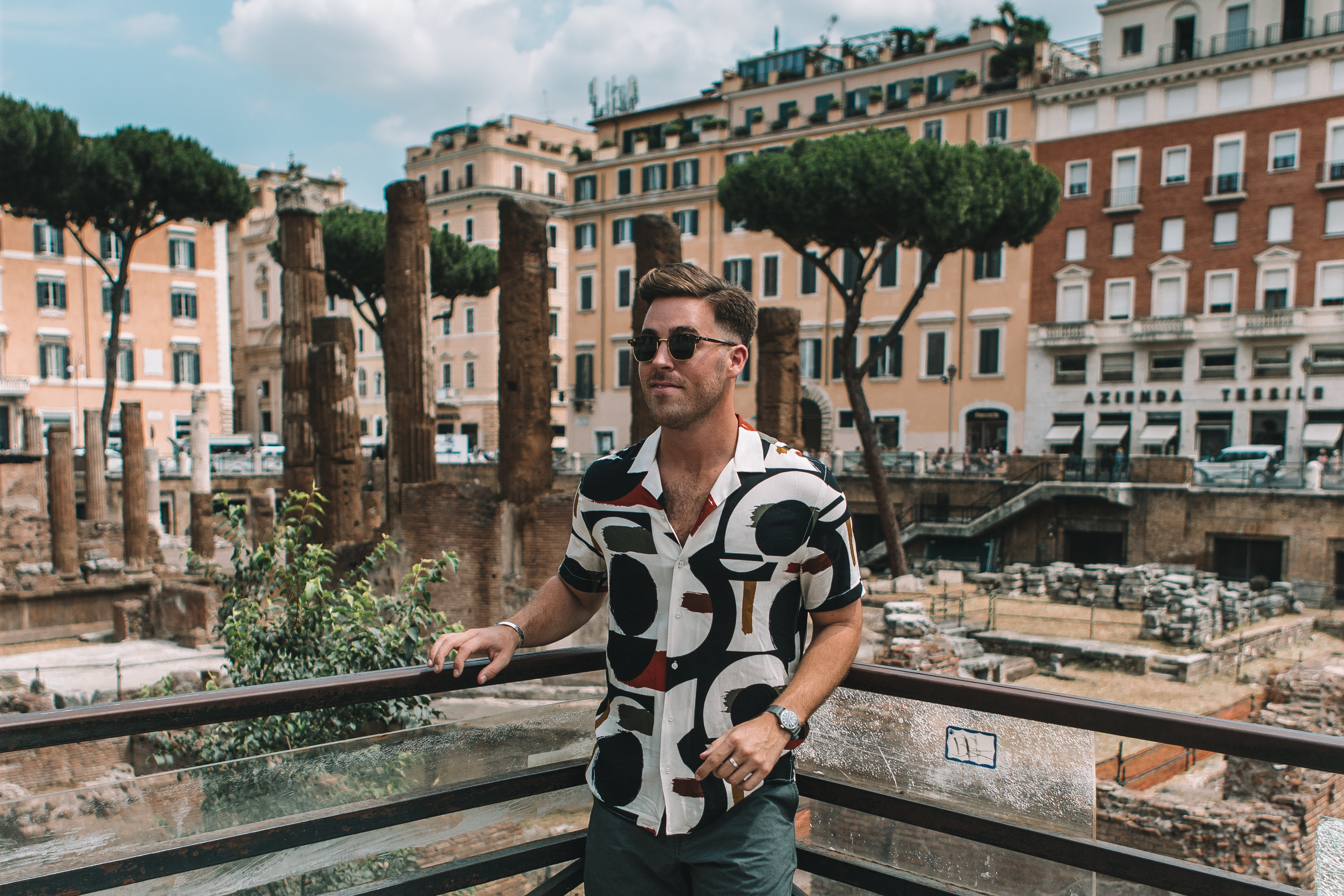
Pasta, ruins, and a whole lot of wine—there’s a reason Rome has been drawing people in for thousands of years. It’s one of those cities where history isn’t tucked away in museums—it’s everywhere, woven into the streets, the architecture, and the rhythm of daily life. There’s almost too much to see in one trip, from ancient landmarks to neighborhood corners that feel unchanged for centuries, so it’s worth coming prepared with comfortable shoes and an empty stomach.
My relationship with Rome didn’t start off as love at first sight. It was actually the first place I traveled internationally as a kid, and at the time, it felt overwhelming and unfamiliar in all the wrong ways. No ice in the water, pizza that looked “burnt,” and a city full of ruins that, to a 12-year-old, all started to blur together in the summer heat. Fast forward a couple decades, and it’s become one of my favorite destinations in Europe.
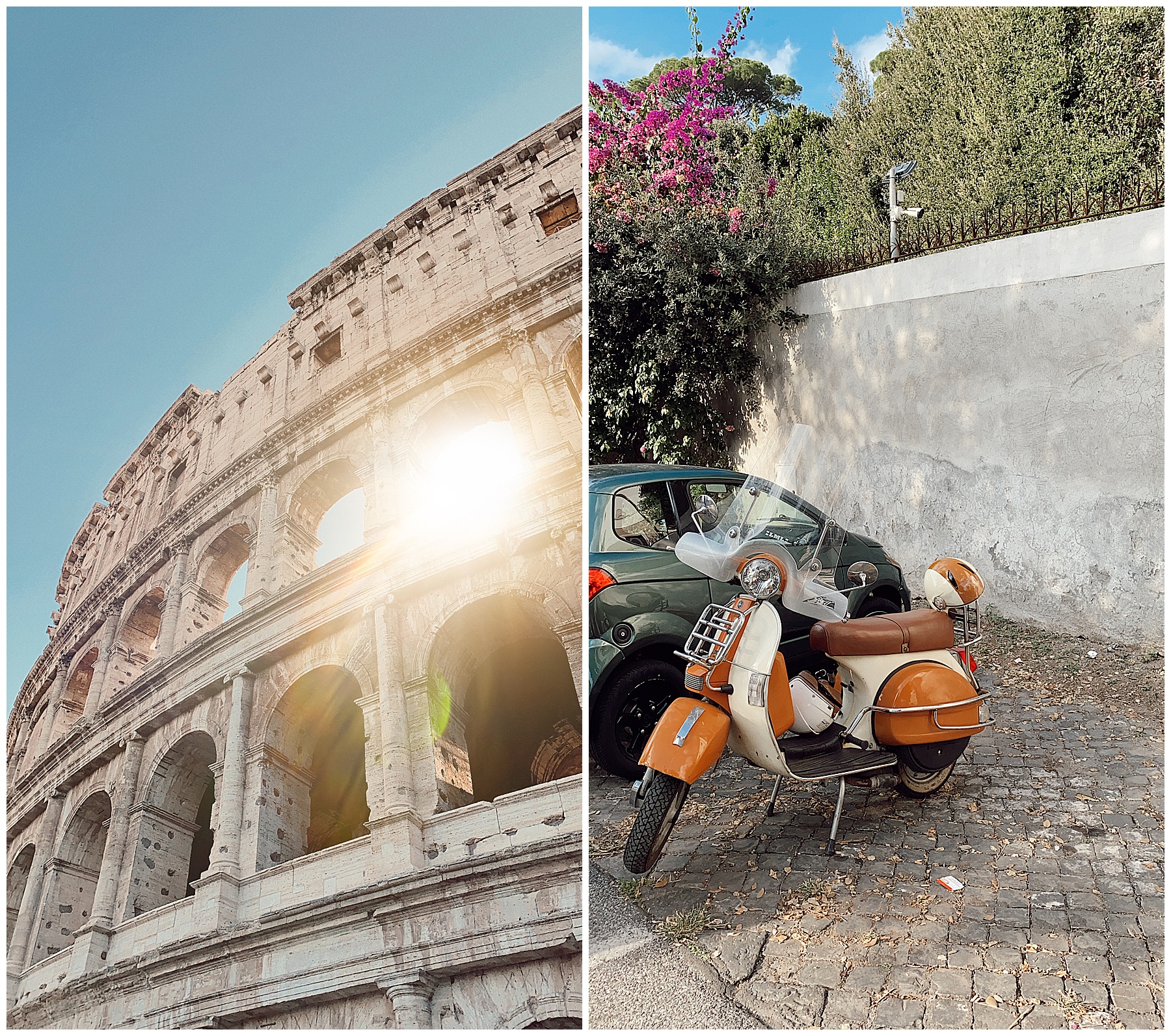
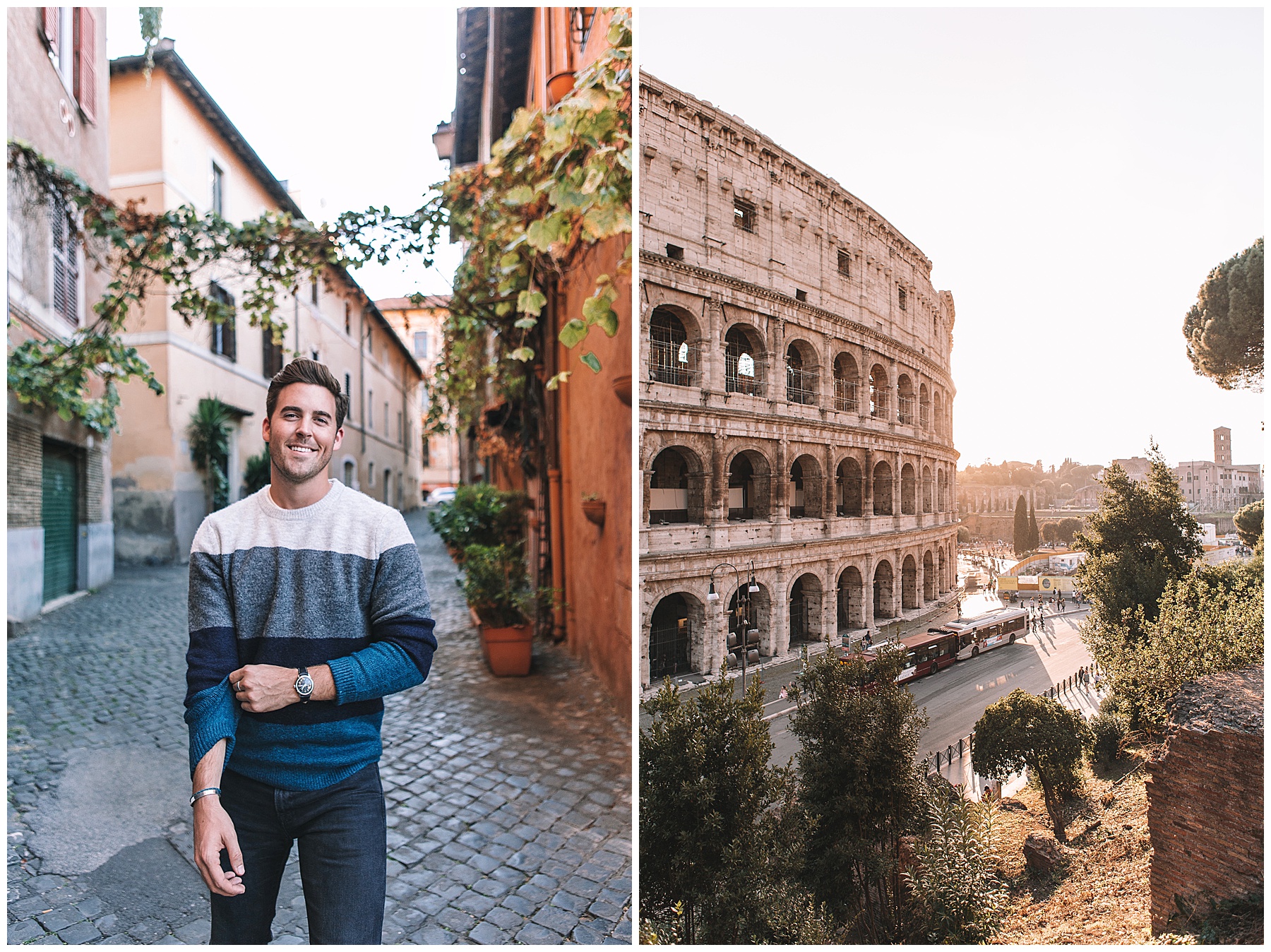
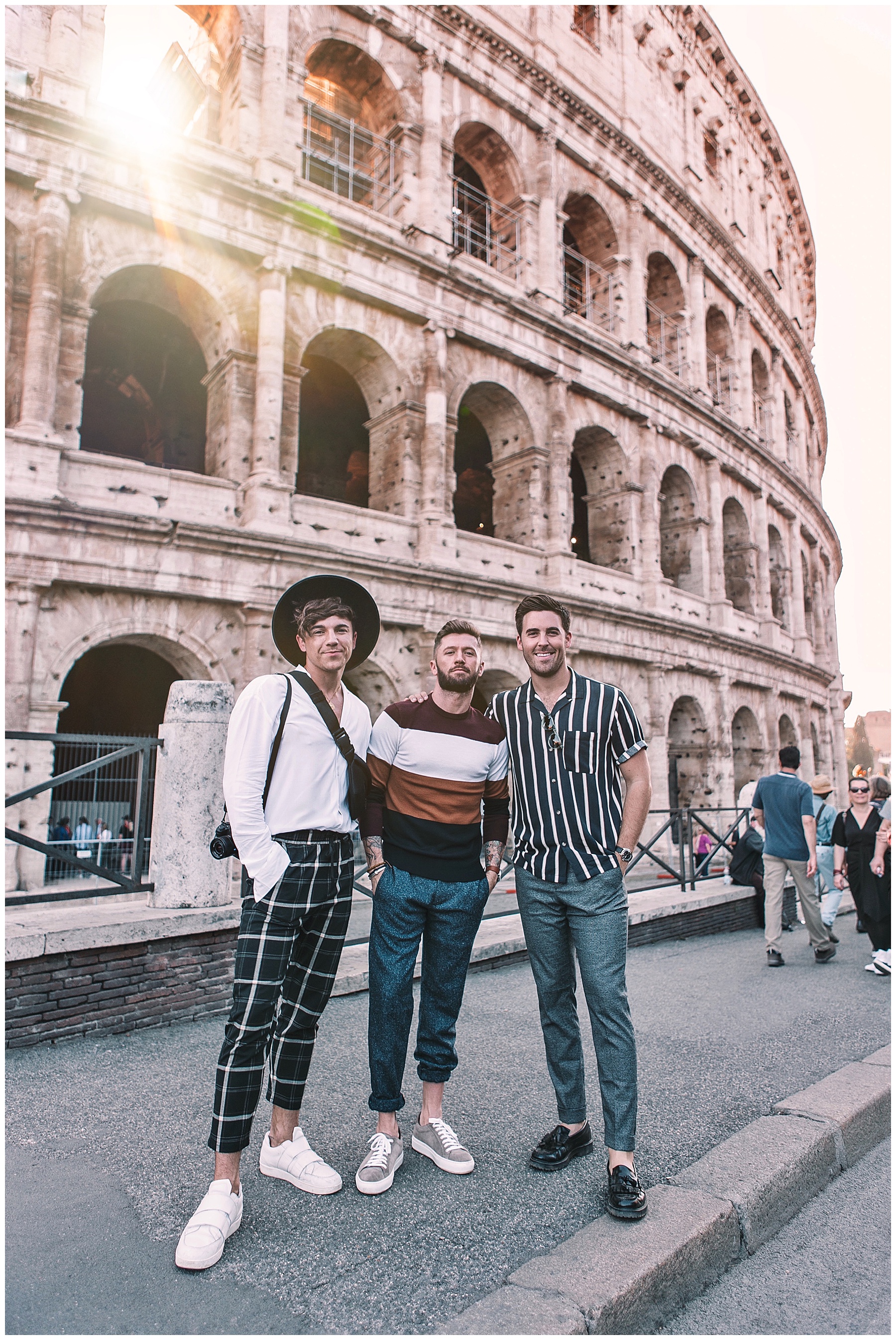
What changed was perspective—and timing. Visiting again later, especially in September and October, made all the difference. The crowds thin out, the light softens, and the city becomes much easier to move through. Walking is a huge part of Rome, and when you’re not battling peak summer heat, you start to notice more—the details, the neighborhoods, the way everything connects. By my most recent trips, I finally felt like I understood the flow of the city, from the energy around Colosseum to quieter streets in areas like Trastevere.
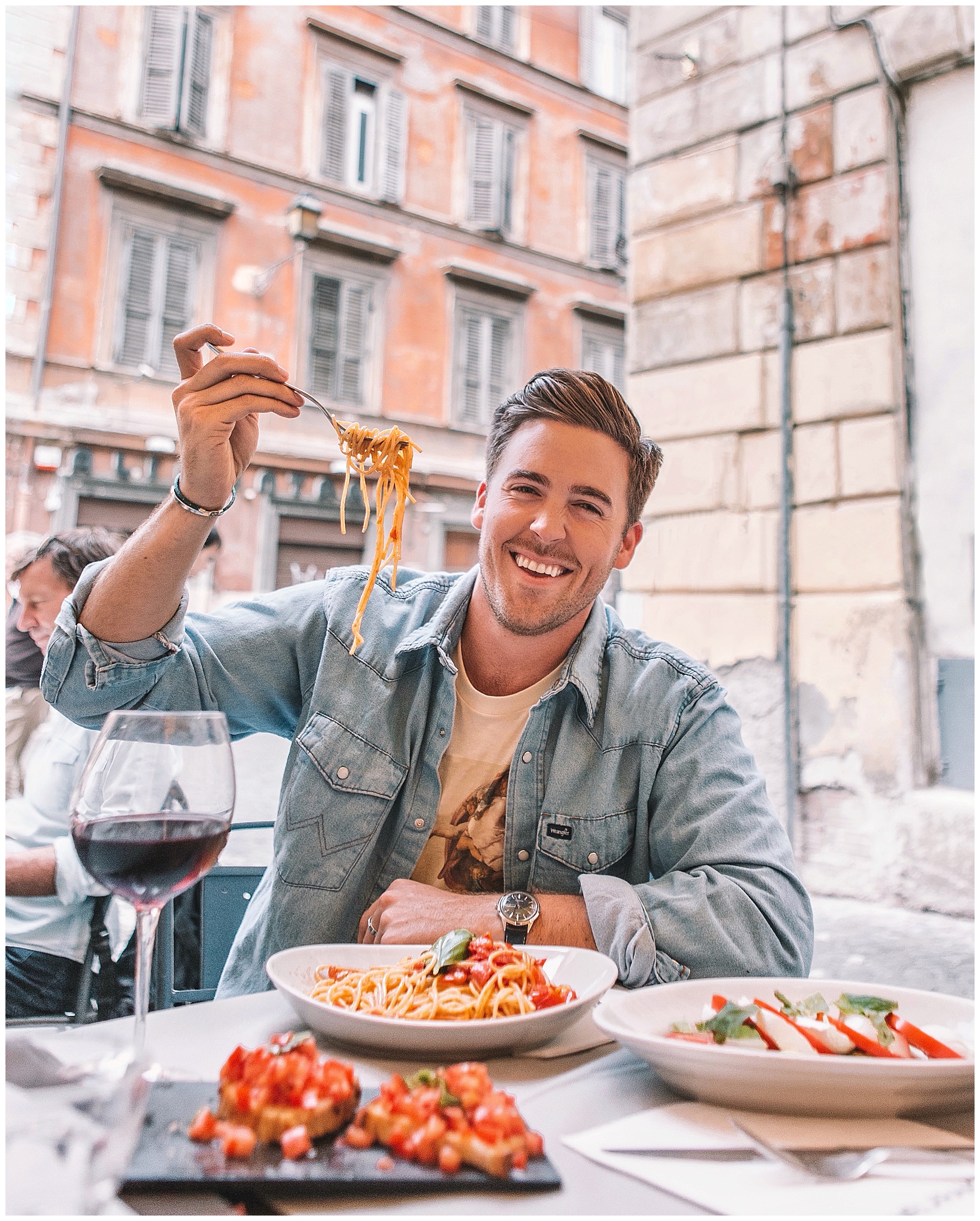
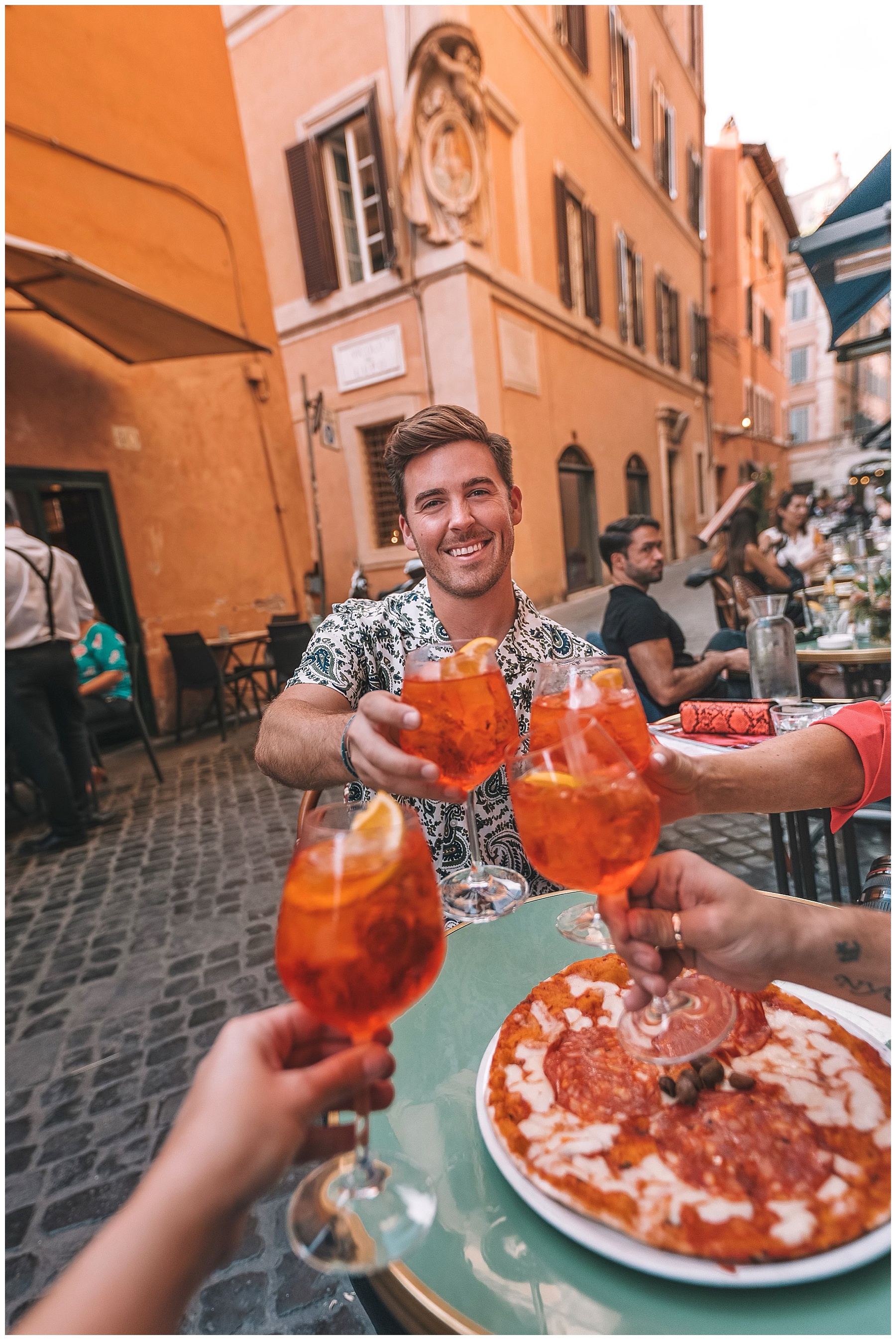
Food is just as central to the experience as the history. Meals stretch longer, menus stay simple, and the focus is always on quality—pasta, wine, and ingredients that don’t need much else. You’ll find yourself building your day around where you’re eating next, whether that’s a quick espresso at the bar or a late dinner that starts well after sunset. It’s easy to fall into the rhythm.
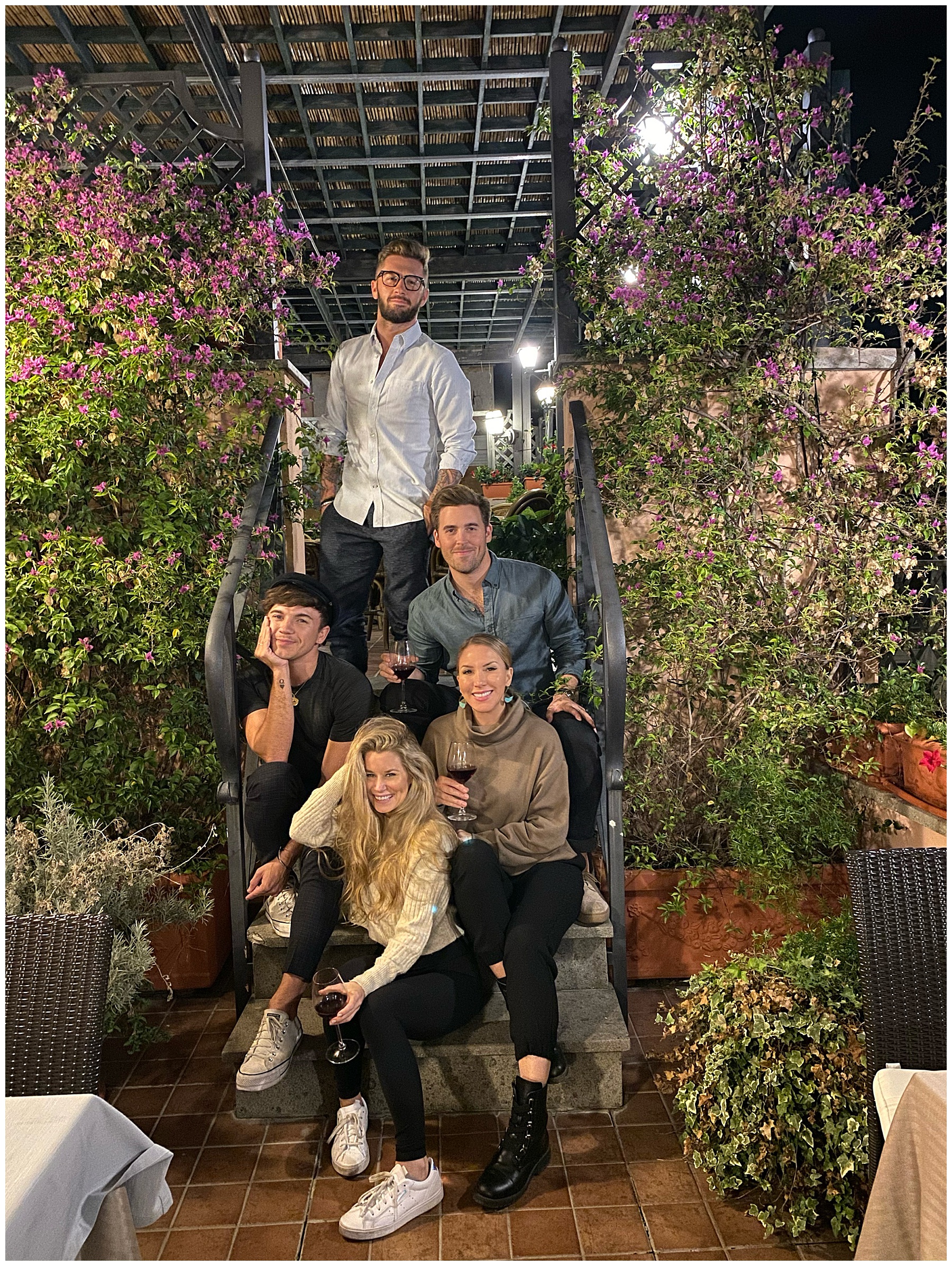
The neighborhoods are what really start to define the trip once you get past the major landmarks. Areas like Centro Storico keep you close to everything, while spots like Monti feel a bit more local, with smaller streets, boutiques, and casual wine bars. Crossing the river into Trastevere brings a completely different energy—lively, a little chaotic, and perfect for long dinners that turn into even longer nights.
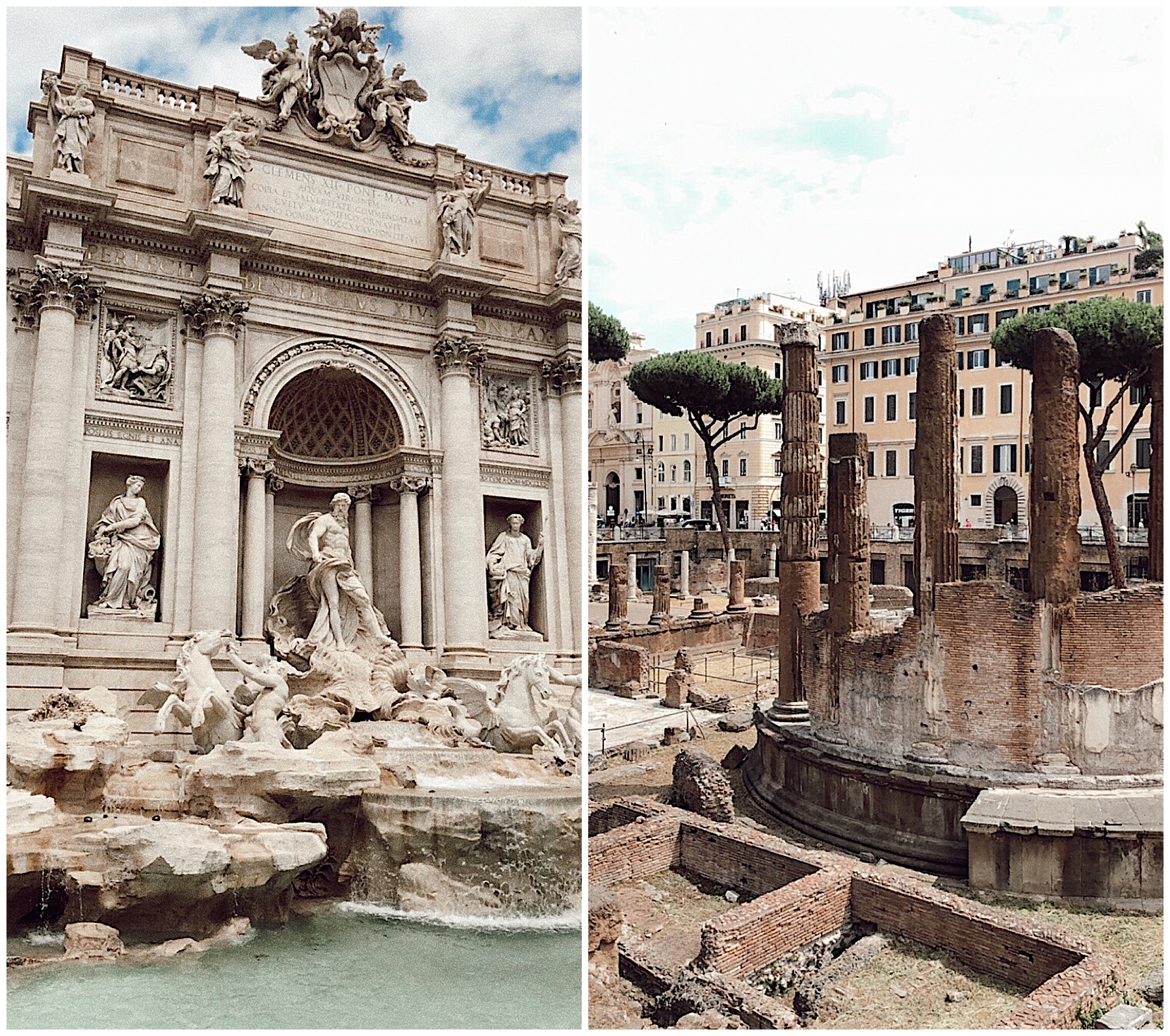
It’s also a city best experienced without over-planning every moment. Some of the best parts of Rome happen in between the big sights—getting lost down a side street, stopping for a glass of wine in the middle of the afternoon, or stumbling across a small piazza that wasn’t on your list. Landmarks like Trevi Fountain and Pantheon are worth seeing, but it’s the slower moments in between that tend to stick with you.

To Eat:
- Armando al Pantheon – Just steps from the Pantheon, this long-standing trattoria is a go-to for classic Roman dishes. It’s cozy, traditional, and one of the better spots in such a central location.
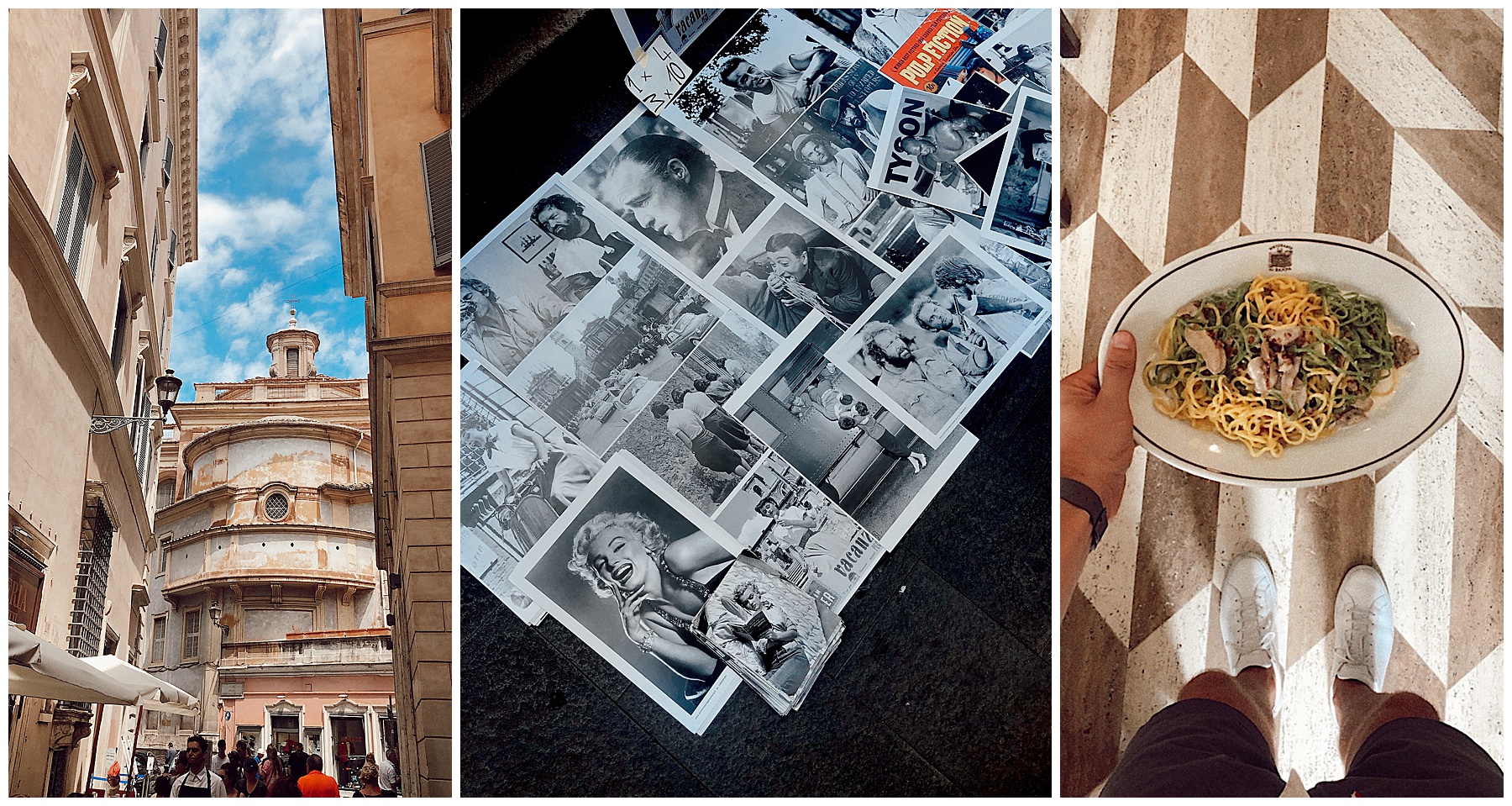
- *Alla Rampa – Tucked right behind the Spanish Steps, it’s one of my family’s favorite restaurants! The enduring restaurant is serving up classic Roman dishes in a smart, rustic interior or on a scenic terrace (which I prefer!). They have a great covered patio that is great for lunch or dinner! Be sure to get the Paglia e Fieno “Hay and straw” pasta – a family favorite!
- Osteria Barberini – A must if you love truffles. The menu leans rich and indulgent, but there are enough lighter options to balance things out—definitely make a reservation.
- Ristorante Trattoria Tritone 1884 – A reliable, well-priced spot just a short walk from the Trevi Fountain. Great for a casual meal when you’re exploring the area.
- Urbana 47 – A more modern, ingredient-driven restaurant in Monti. It feels a bit more elevated while still being relaxed and approachable.
- * Il Melarancio – Our favorite “local” spot from the last trip—we ended up eating here three times. Easy, consistent, and just a really good go-to.
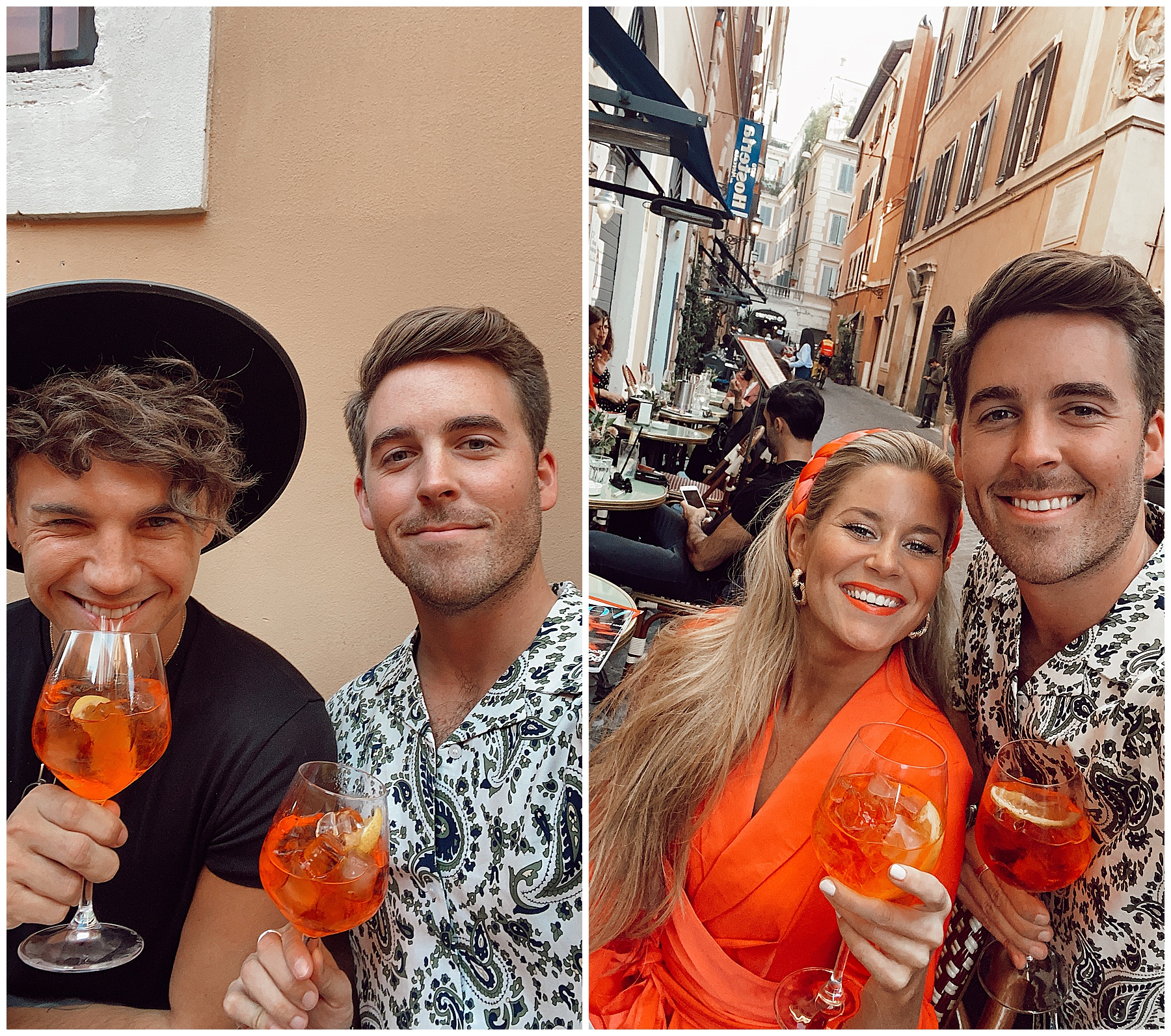
- * Hosteria del Mercato – A plant-filled, more modern space that’s great for spritzes and light bites. It’s relaxed, a little different, and worth stopping into.
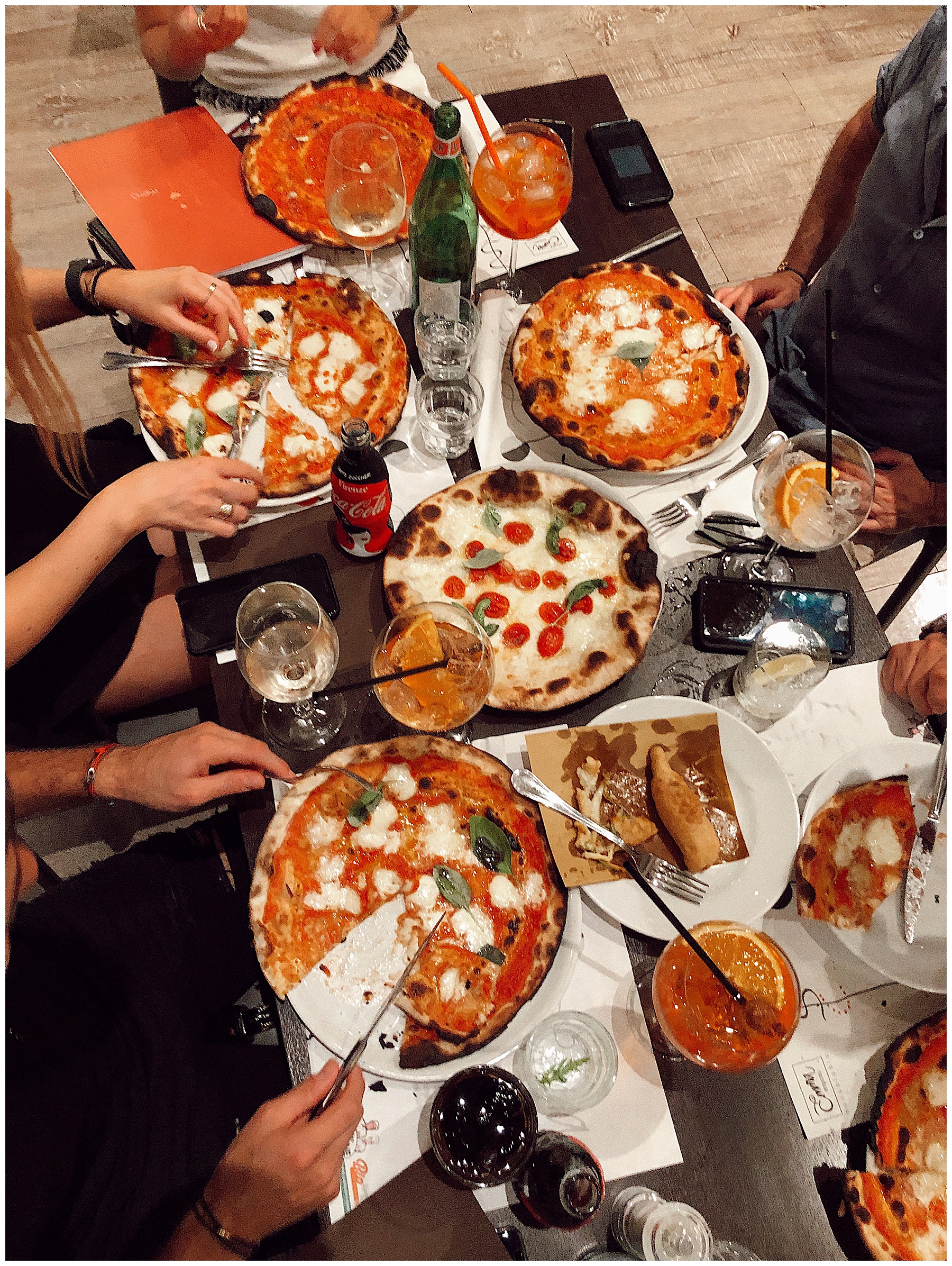
- *Emma Pizzeria – A great pizza spot in the historic center with high-quality ingredients and solid starters. Be sure to order the fried squash blossoms.
- *Dar Poeta – An absolute must in Trastevere. Some of the best pizza we had, plus incredible crostini—go for lunch and expect a wait.
- Pizzeria Da Baffetto – A legendary, no-frills pizzeria known for thin, crispy Roman-style pies. It’s always busy, but the line moves quickly.
- Cantina e Cucina – Just a few minutes from Piazza Navona, this is a fun, lively spot for a casual dinner. The menu is broad and great for groups.
- Ristorante le Mani in Pasta – A more intimate Trastevere restaurant with exposed brick and a slightly elevated feel. Known for seafood and well-executed pasta dishes.
- La Montecarlo – A no-nonsense spot for classic Roman pizza. It’s simple, crowded, and consistently good.
- La Parolaccia & Sons – A wild, theatrical dining experience where the staff are part of the show. It’s loud, chaotic, and definitely not your typical dinner.
- Osteria Der Belli– A great Trastevere spot for seafood and pasta with a more local feel. Slightly off the main path, which makes it even better.
- Tonnarello – One of the most popular restaurants in Trastevere. Yes, it’s busy, but the pasta portions are huge and it’s always satisfying.
- Salotto42 – A swanky bar near the Pantheon that’s great for cocktails and light bites. A nice change of pace from traditional trattorias.
- Roma Sparita – Set on a quieter piazza in Trastevere, this is a great spot for outdoor dining. The cacio e pepe is the thing to order.
- Pizzeria Da Remo – A true local favorite in Testaccio for classic Roman pizza. Worth the trip out of the center if you’re exploring deeper.
- Felice a Testaccio – A must for traditional Roman cooking. The cacio e pepe, made tableside, is one of the best in the city.
- Dal Toscano Restaurant – A more traditional, slightly upscale restaurant with a Tuscan influence. Great for a longer, more classic dinner.
- Trattoria Pennestri – A modern take on a classic Roman trattoria with a strong focus on seasonal ingredients. The menu feels familiar but slightly refined, and the wine list is especially well curated.
- Barred – A more contemporary spot pushing Roman cuisine in a slightly more creative direction. The dishes are thoughtful and ingredient-driven, making it a great option for a more elevated dinner.
- Zia Restaurant – A Michelin-starred restaurant in Trastevere that feels modern without being overly formal. The tasting menu is the way to go if you want something more polished but still rooted in Italian flavors.
- Bivium (at Six Senses Rome) – A newer, beautifully designed restaurant that works for anything from lunch to dinner. The menu is clean, seasonal, and a little more contemporary, making it a great break from heavier Roman meals.
Coffee & Bakeries:
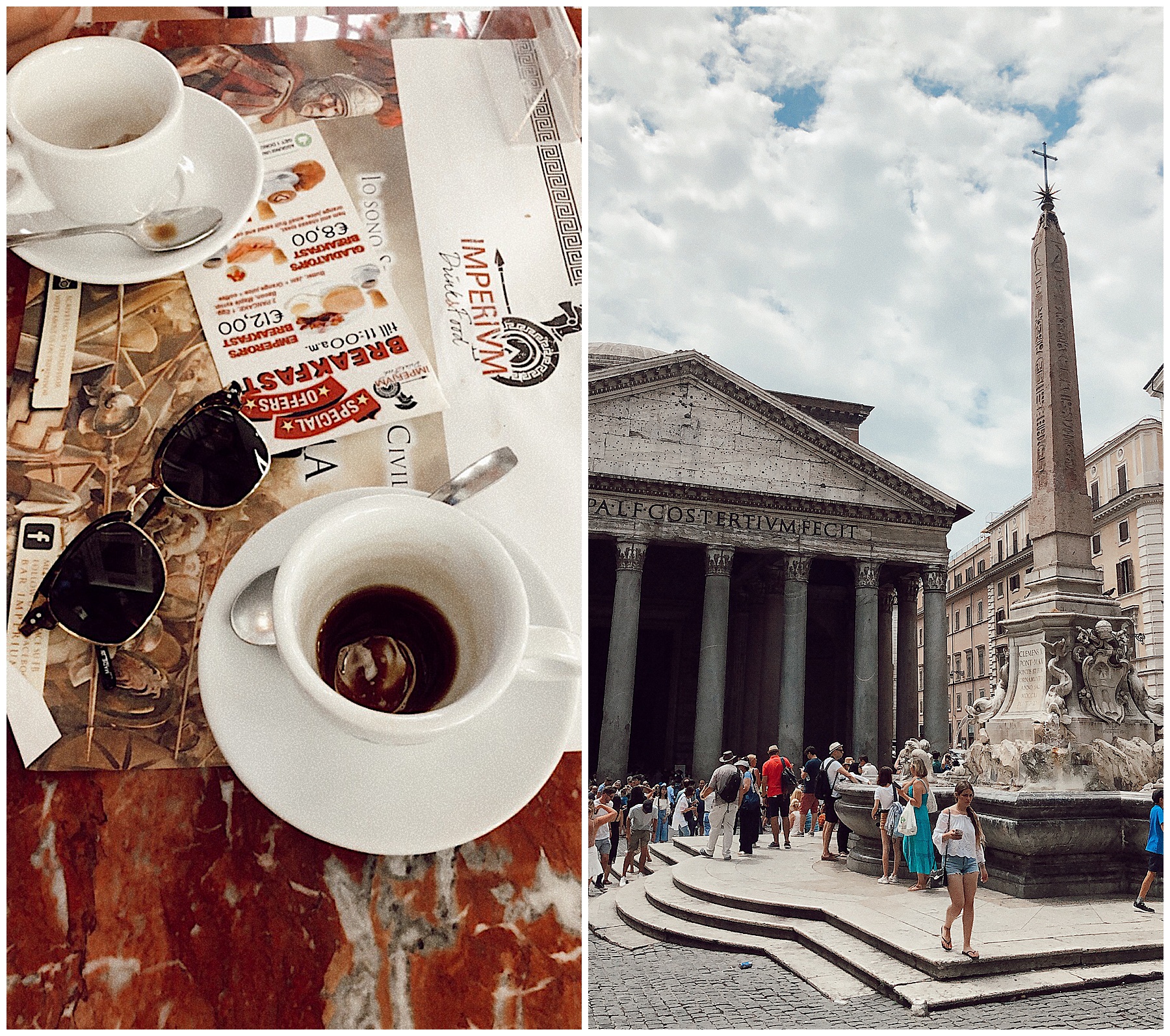
- *Gia Roma 1886 – A charming little café just steps from the Trevi Fountain. It’s an easy stop for a quick espresso while exploring, with a classic, no-fuss Roman feel.
- *Oppio Caffe – Right across from the Colosseum, this spot is all about the view. It’s a great place to sit for a coffee or drink and take in the setting without feeling too caught in the crowds.
- La Casetta a Monti – A small, cozy café tucked into the streets of Monti with a more local feel. Perfect for a slower coffee stop away from the main tourist flow.
- Faro – One of the original specialty coffee spots in Rome and still one of the best. It’s a bit more polished and sit-down, with a real focus on sourcing, roasting, and treating coffee more like wine.
- Barnum Café – A great mix of café, brunch spot, and workspace just off Campo de’ Fiori. It’s always busy, but for good reason—the coffee is excellent and the pastries are just as good.
- Antico Forno Roscioli – One of the most famous bakeries in Rome and a must for anything bread or pastry-related. The pizza al taglio and fresh-baked goods are standout, and it’s the kind of place you’ll want to grab a few things and keep walking.
- Pasticceria Regoli – A classic Roman pastry shop that’s been around for over a century. Known for traditional sweets like maritozzi, it feels timeless and very local.
- Forno Campo de’ Fiori – A casual, always-busy bakery right off the square, known for its pizza bianca. It’s simple, quick, and one of those places you end up stopping at more than once.
To Drink:
- *Club Derriere – One of my favorite cocktail bars in the city! With low lights, this speakeasy is found in the backroom of an unassuming trattoria but accessed through a dedicated entrance. The bartenders who sling sleek cocktails that are often inspired by cultural figures, such as their Edgar Allan Poe: a heady mix of sherry, Knob Creek rye, chocolate, and Angostura bitters.
- Angelina “ai Fori” dal 1947 – Right near the Colosseum, this is a great shaded spot to grab a spritz after sightseeing. The location alone makes it worth it.
- * Antica Enoteca – A rustic wine bar with great street seating and a huge selection of Italian wines. Perfect for a casual stop for a glass (or a few).
- Mostro – A newer all-day café and restaurant that transitions seamlessly from coffee and pastries to dinner and cocktails. It’s a great option if you want something more flexible and a little different from the typical Roman dining format.
- NOTOS Rooftop (at Six Senses Rome) –
- Drink Kong – One of the most creative cocktail bars in Rome with a slightly futuristic, Tokyo-inspired vibe. The drinks are complex and unexpected, but still very drinkable.
- Jerry Thomas Speakeasy – A true speakeasy with a password entry and a more classic cocktail approach. It’s intimate, a little exclusive, and great if you want something more refined.
- Freni e Frizioni – A lively Trastevere spot known for its aperitivo scene. Come early, grab a spritz, and hang outside with a crowd.
- Salotto42 – A stylish bar right near the Pantheon. It’s great for cocktails with a slightly more polished, lounge-like feel.
- Bar del Fico – More of a casual piazza bar, but a great place to grab a drink and people-watch. It’s easy, social, and always buzzing.
- The Court – A more elevated cocktail experience with direct views of the Colosseum. It’s polished and a great spot for a pre- or post-dinner drink.
- Blackmarket Hall – A cozy, slightly eclectic bar in Monti with a more relaxed, local feel. Great cocktails without the scene-y vibe.
- Stravinskij Bar – A classic, elegant bar at Hotel de Russie. It’s more traditional and refined, perfect for a quieter, upscale drink.
- Il Goccetto – A true Roman wine bar with a huge selection of bottles lining the walls. It’s small, authentic, and perfect for a slower glass of wine.
Gelato:
- *Giolitti – A Rome institution and easily one of the best gelato spots in the city. The flavor selection is huge, it’s open late (2am!) and it’s the kind of place you’ll probably end up going back to more than once. My favorite by far!
- Glauco – A smaller, more modern gelateria with a focus on high-quality, seasonal ingredients. The flavors feel a bit more refined and less touristy than the big-name spots.
- Gelateria del Teatro – They have creative, fresh flavors made in small batches. You can actually watch them making the gelato in-store, which adds to the whole experience.
- Come il Latte – A slightly more indulgent option with ultra-creamy textures and generous portions. The fresh whipped cream on top is a must and makes it feel a bit more over-the-top in the best way.
- FataMorgana – One of the most creative gelaterias in Rome, known for unique, sometimes unexpected flavor combinations. Everything is natural and high-quality, so even the more adventurous options feel really well done.

Sights to See:
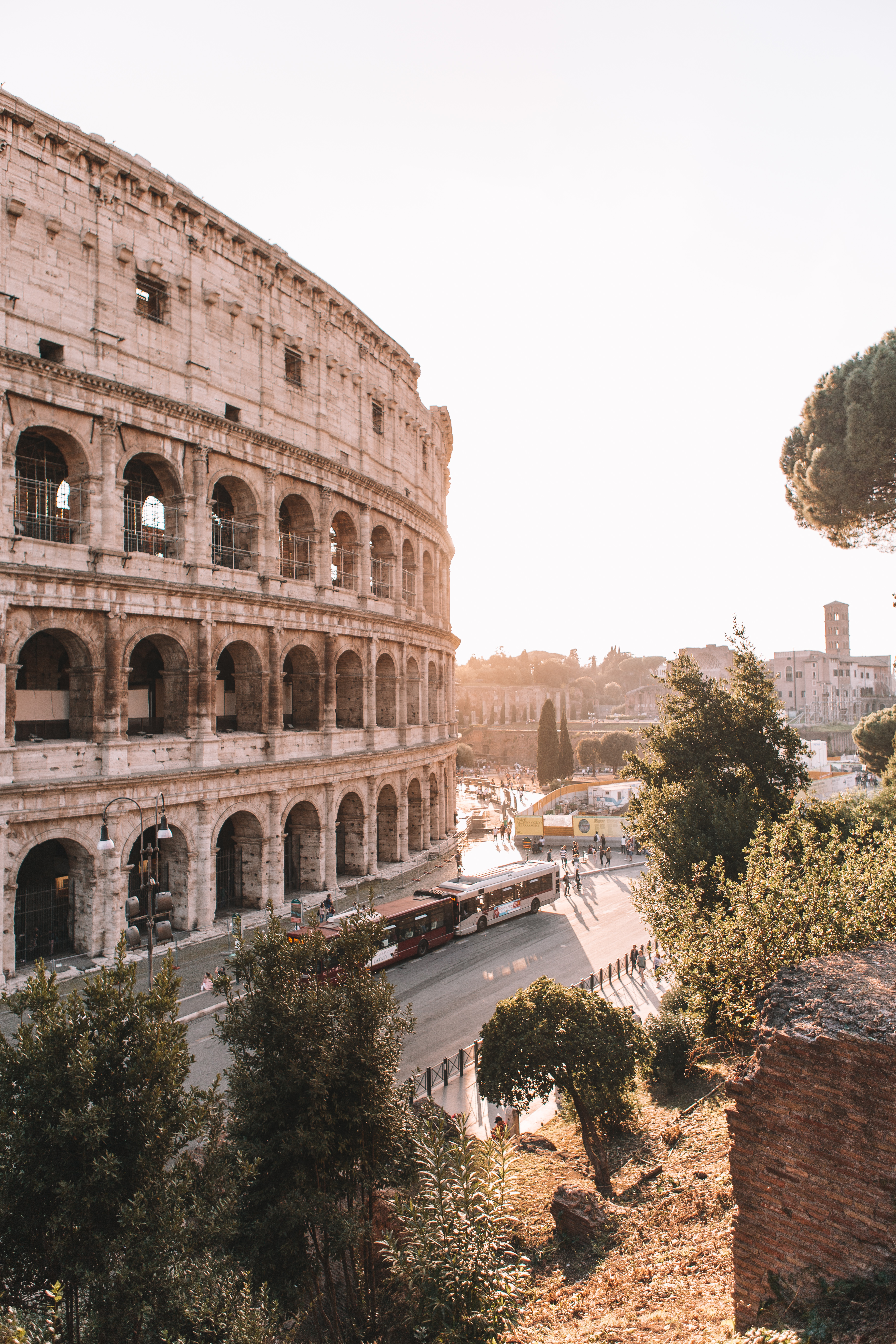
- The Colosseum – One of the most iconic landmarks in the world and even more impressive in person. It’s worth doing a guided tour so you can actually understand the scale and history behind the structure.
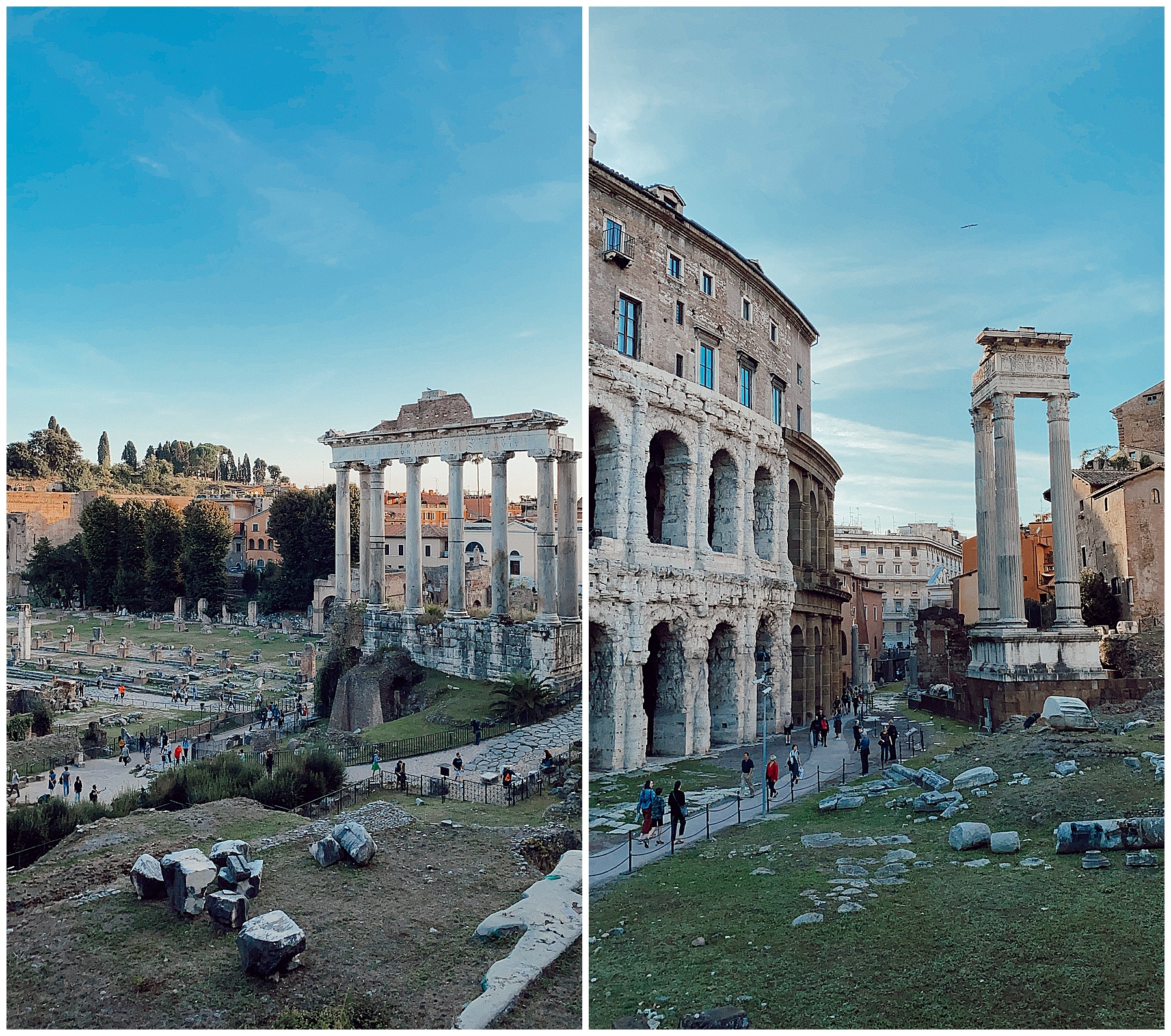
- The Roman Forum – A sprawling stretch of ruins that once served as the center of ancient Roman life. Walking through it feels like stepping directly into history, especially when paired with the Colosseum nearby.
- The Pantheon – One of the best-preserved buildings from ancient Rome, now functioning as a church. The massive dome and open oculus are incredibly striking and still feel ahead of their time.
- Trevi Fountain – The most famous fountain in Rome and always surrounded by a crowd. It’s worth seeing early in the morning or late at night when it’s a bit quieter.
- The Spanish Steps – A classic meeting point and one of the most recognizable spots in the city. It’s a great place to sit, take in the atmosphere, and watch the flow of Rome move around you.
- Circus Maximus – Once the largest stadium in ancient Rome, now a wide open space between the hills. It’s more subtle than other landmarks, but still impressive when you picture what once stood there.
- The Vatican – Set aside at least half a day to explore this independent city-state. A guided tour is worth it if you want a deeper understanding of the art, history, and significance of the space.
- Altare della Patria -A massive white marble monument dedicated to Italy’s first king. It’s hard to miss and offers some of the best panoramic views of the city from the top.
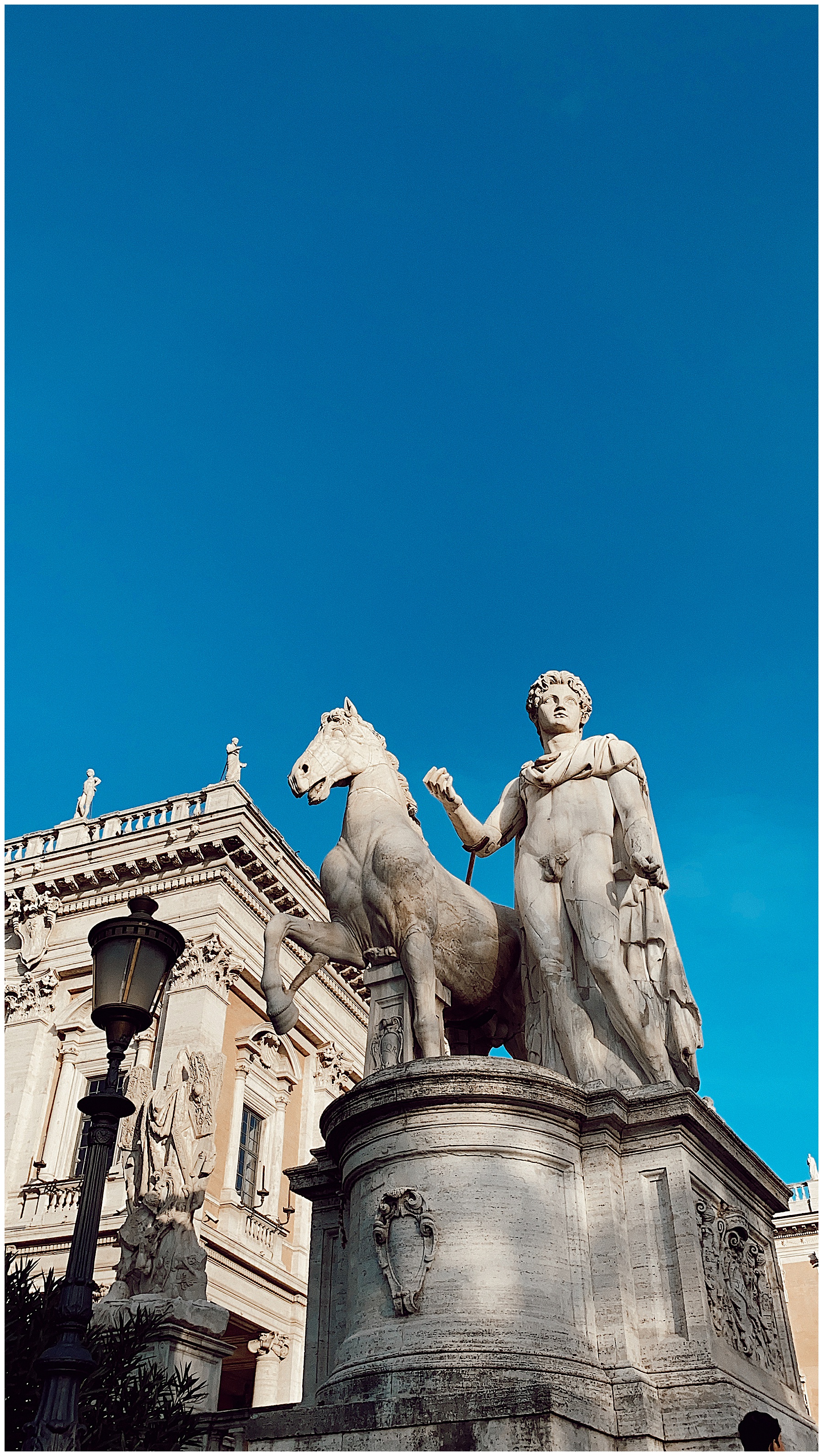
- Campidoglio – One of the Seven Hills of Rome with incredible views over the Forum. The piazza at the top, designed by Michelangelo, is just as impressive as the views themselves.
- Piazza Navona – One of the most beautiful squares in Rome, built on the site of an ancient stadium. It’s lively, full of fountains and street artists, and a great place to wander.
- Piazza Venezia – A central hub where several of Rome’s main streets meet. It’s busy, a little chaotic, and anchored by some of the city’s most recognizable architecture.
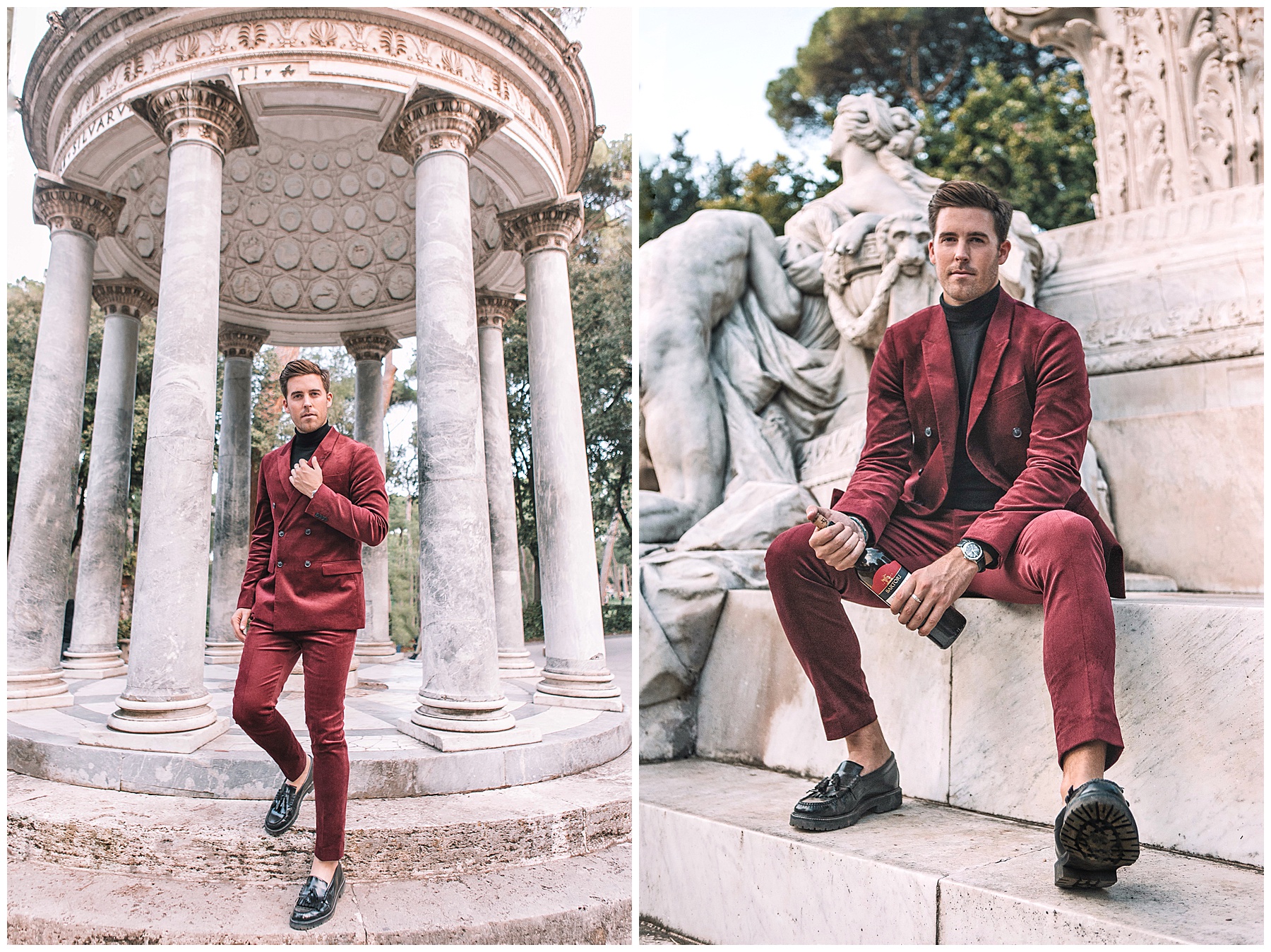
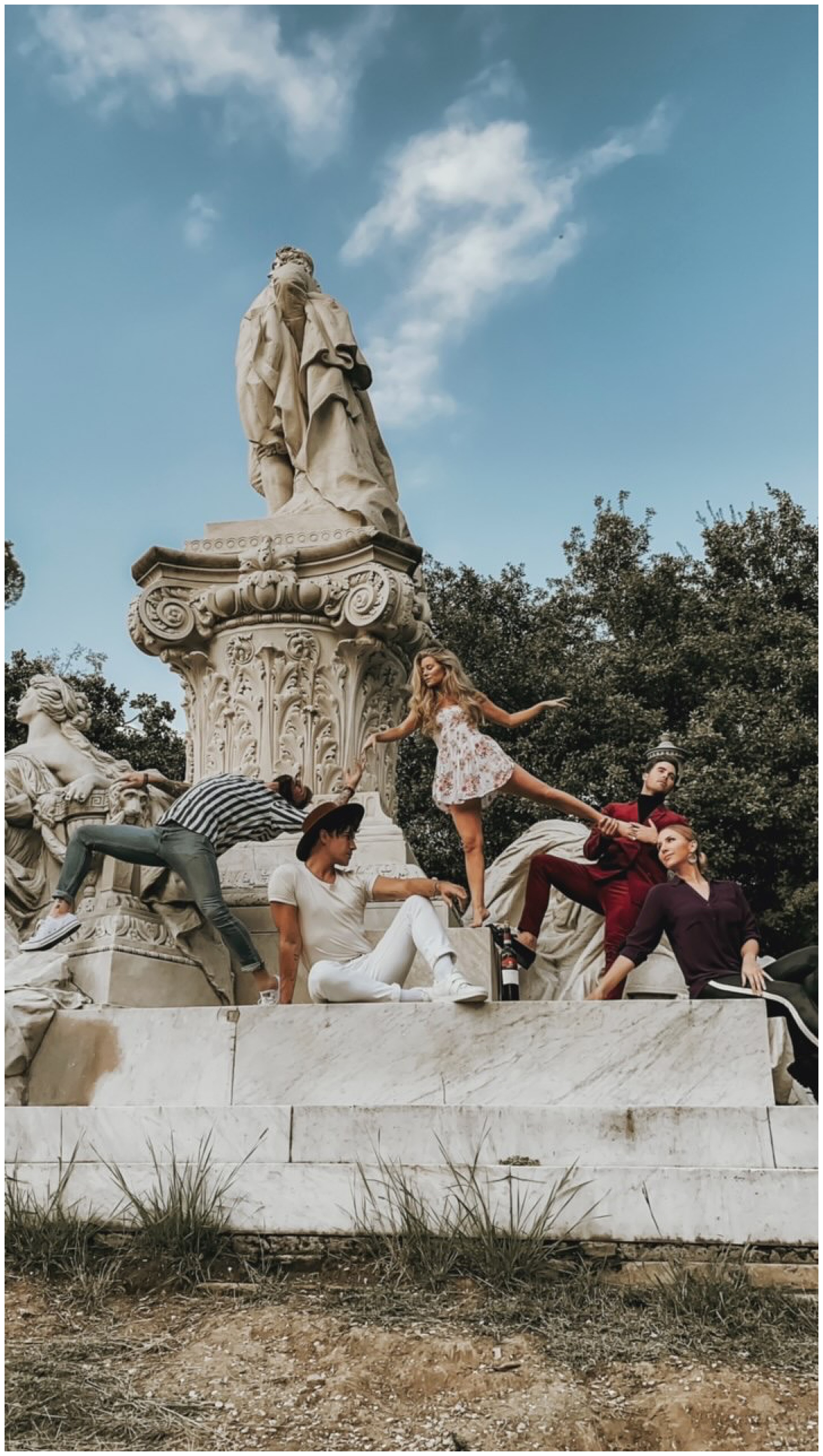
- *Villa Borghese – A peaceful escape from the city’s dense streets, just a short walk from the Spanish Steps. It’s perfect for a slower afternoon, with gardens, museums, and plenty of space to wander.
To Stay:
- Hotel Chapter Roma – A newer boutique hotel in the historic Jewish Quarter with a clean, modern feel. The rooms are minimal but well designed, and the location makes it easy to walk to spots like the Pantheon and Palazzo Venezia. It’s a great balance of style and location without feeling overly traditional.
- Hassler Villa Medici – One of the most iconic luxury hotels in the city, set right at the top of the Spanish Steps. Even if you’re not staying here, it’s worth coming up for a drink at sunset—the views over Rome are incredible. Definitely a splurge, but a memorable one.
- InTown Luxury House – After a VRBO snafu, we booked this boutique hotel last-minute it was a godsend. The hotel only has 6 suites and impeccable service from the concierge. It feels more private than a traditional hotel but more polished than a typical B&B. The location is perfect—just a short walk from the Spanish Steps, in one of the best neighborhoods to base yourself.
Rome doesn’t really reveal itself all at once. It’s a city you start to understand over time, piece by piece, visit by visit. The first trip can feel like a lot, but once you settle into it, everything starts to click—the layout, the pace, the energy. And that’s when it becomes somewhere you can’t wait to come back to.
Stay Risky,
– John